Spider Gel Nail Guide: Beginner to Pro Techniques
Compare how a beginner, intermediate, and pro use black and white spider gel for crisp lines, webs and Halloween accents.
Picture a busy salon chair: a tech asks for a Halloween accent, you reach for a monochrome spider-gel duo. How do you make that thick, stringy gel work fast without wasting product or time?
How to approach spider gel as a beginner
What do you need to know first? Start simple: this gel is thick, highly pigmented, and cures in about one minute, so plan single strokes rather than long freehand experiments. How do you prepare? Apply a glossy base or cured color, wipe the tacky layer only if needed, and work over a stable surface.
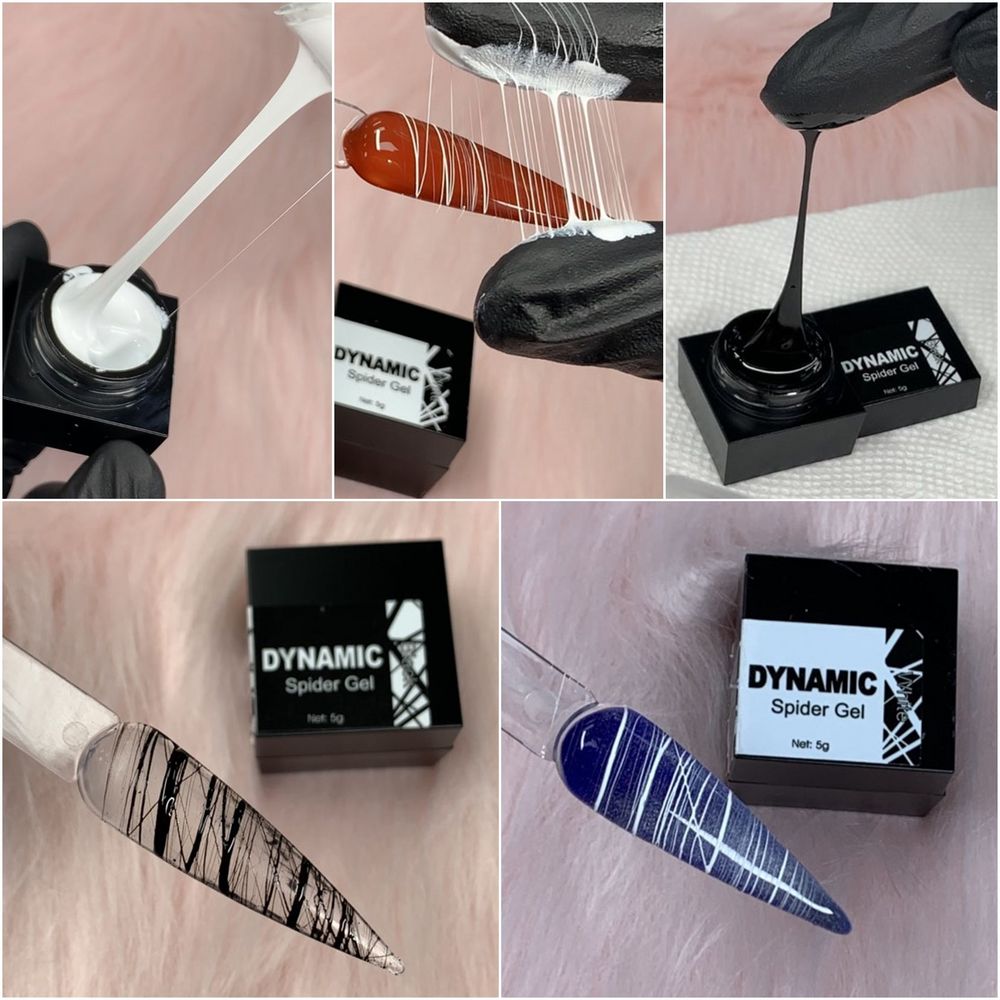
How do you create your first lines and tiny webs? Use the smallest dot of gel on a disposable tool or liner brush, pinch lightly, and pull short strands. Why short? The gel’s viscous, stringy consistency stretches dramatically; short pulls reduce breakage and give crisper lines.
What mistakes will slow you down? Overloading the brush, pulling too quickly, or trying long continuous strands before you master tension control. How to fix that? Practice on tips or a nail wheel and cure each successful strand for one minute.
Pro tip: Keep a bead tester sheet or spare tip handy so you can test pull length and tension before working on a client.
How to use spider gel at an intermediate level
What changes when you know the basics? You use the gel to add controlled accents: neat negative-space gothic french, thin web overlays, or graphic lines over a glossy base. How do you control line thickness? Vary the bead size and the pull speed—smaller beads and brisk pulls make finer lines; larger beads and slower pulls make bolder webs.
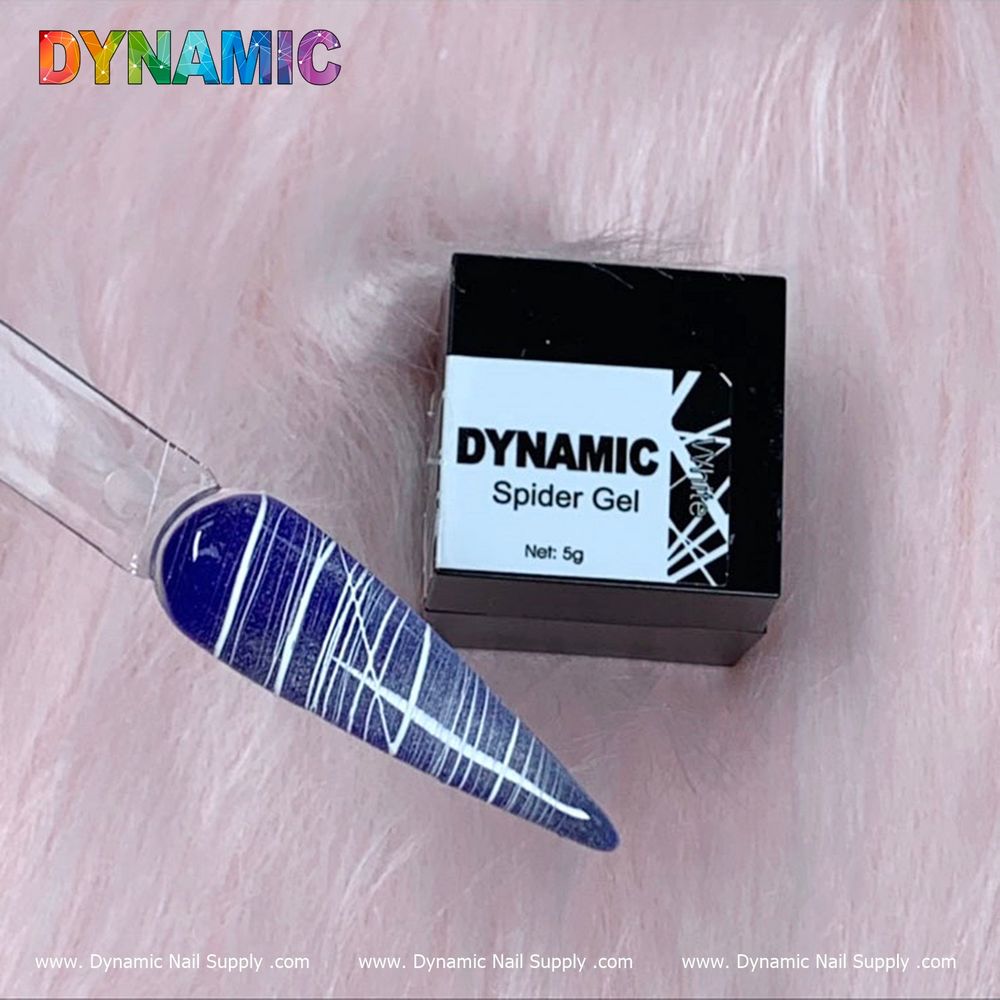
How do you combine colors? Try white on navy for a high-contrast night-sky look, or black over translucent tips for subtle drama. What tools help here? A firm liner brush for painting and a pointed dotting tool for pulling both work; keep both disposable or thoroughly disinfected between clients.
How do you layer without losing clarity? Cure each layer for the specified one minute before adding another. How do you protect detail? Seal with a thin, high-gloss top coat to preserve the spiderweb texture and shine.
How to use spider gel like a pro
What separates fast pro work from careful hobby work? Workflow and economy. How do you plan the service? Map web placement mentally, place beads quickly, and use controlled tension to pull multiple consistent strands from one bead. How do you use color choices strategically? Add white lines over black or navy bases for graphic pops, or black webs on nude or translucent tips for subtle seasonal accents.
How do you finish efficiently? Cure decisive areas for one minute, trim excess string with a clean tool if needed, then finish with a single thin swish of top coat to avoid smudging the web texture. How do you reduce product waste? Use measured beads and keep the jar free of contaminants; the product’s high pigmentation means a little goes a long way.
Pro tip: When creating multiple matching nails, load identical bead sizes and practice a repeatable pull rhythm to maintain uniformity across all nails.
How to pay special attention to the Black option
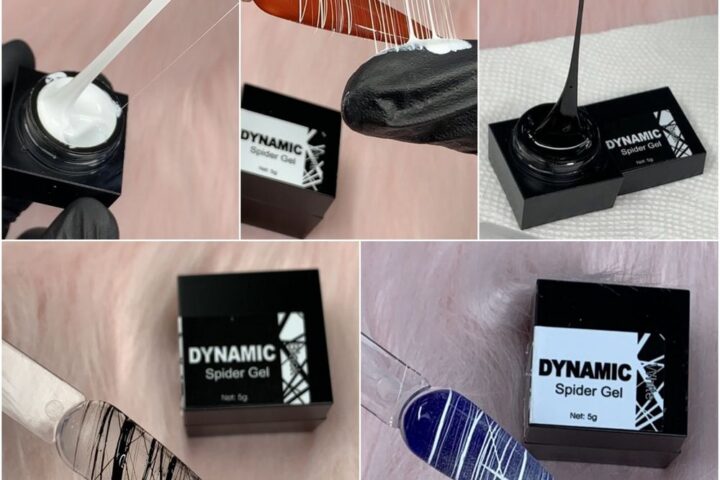
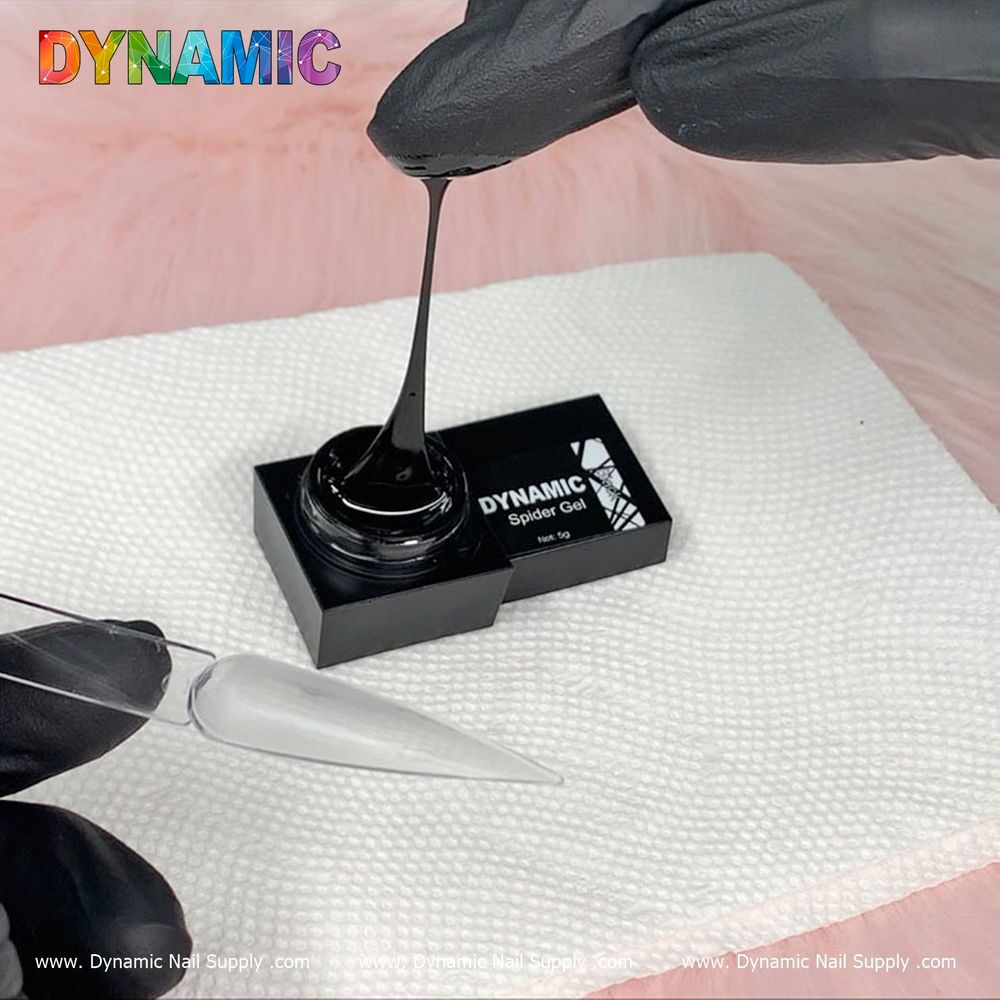
What does the Black variant offer in real terms? The photo shows a jet black bead and deep, opaque swatches that read as graphic and bold against glossy bases. How does that affect technique? Use very small beads for fine filigree or larger beads for dramatic web overlays; black hides minor irregularities better than white, so it’s forgiving for quick salon work.
How does black behave on different bases? It reads classic over monochrome white or translucent tips, and becomes a subtle overlay on nude or warm amber beads for autumnal looks. How should you cure and seal black lines? Cure for the product’s one-minute cycle and finish with a high-gloss top coat to keep lines from appearing matte or dull.
How to handle and store spider gel safely
What safety basics should you follow? Avoid prolonged skin contact and remove uncured gel from skin promptly. How should you store the jars? Keep lids closed, store in a cool place away from direct sunlight, and avoid contaminating the jar with tools or nail dust. How do you remind clients about finishes? Explain you used a fast-curing gel and that the surface is fully cured after the one-minute lamp cycle.
How to pick the right builds and finishes
What finishes does this gel produce? Expect a high-gloss, thick surface with a fine, smooth texture and stringy pull capability ideal for crisp lines and webs. How do you combine it with other colors? The photo shows bright white, deep navy, and amber brown examples—use those contrasts to plan your design hierarchy.
How to wrap up and price services
How much does the product cost? The options range from $6 to $12 and prices may change, so factor that into retail or service pricing. What final checks should you do? Inspect cured lines for evenness, check adhesion with a gentle press, and finish with client aftercare: avoid aggressive picking at the design and recommend gentle use for 24 hours.
For quick ordering and to confirm stock, include black and white spider gel when you add the product to your kit to ensure you use the correct monochrome spider-gel option.
Quick reference:
- Beginner: short pulls, small beads, cure each strand for one minute.
- Intermediate: combine colors, vary bead size for line width, seal thinly.
- Pro: plan placement, repeatable pull rhythm, measure beads for efficiency.
- Black option: bold, opaque, forgiving; ideal for graphic contrast.
- Storage/safety: cap jars, avoid skin contact, store cool.